Tank work
Expansion, Well and Storage Tanks
Norristown Plumber arranges installation and repair of the tanks that keep household water steady: thermal expansion tanks beside water heaters, pressure tanks on private wells, and storage tanks for backup or rainwater. Trouble tends to show as pressure that spikes or sags, a well pump that clicks on and off constantly, a relief valve that drips, or seepage at the fittings, and none of these improves with time.
The tank should be sized to the system, its air pre-charge set to match the water pressure and its valves fitted correctly, so pipes, fixtures and equipment stay protected. Homes in town sit in Pennsylvania American Water’s Norristown district, so expansion tanks are the usual job there; pressure tanks come in where a property runs on a well. Either way, the work is available across Norristown, PA.
Tank services
Water Tank Jobs Covered
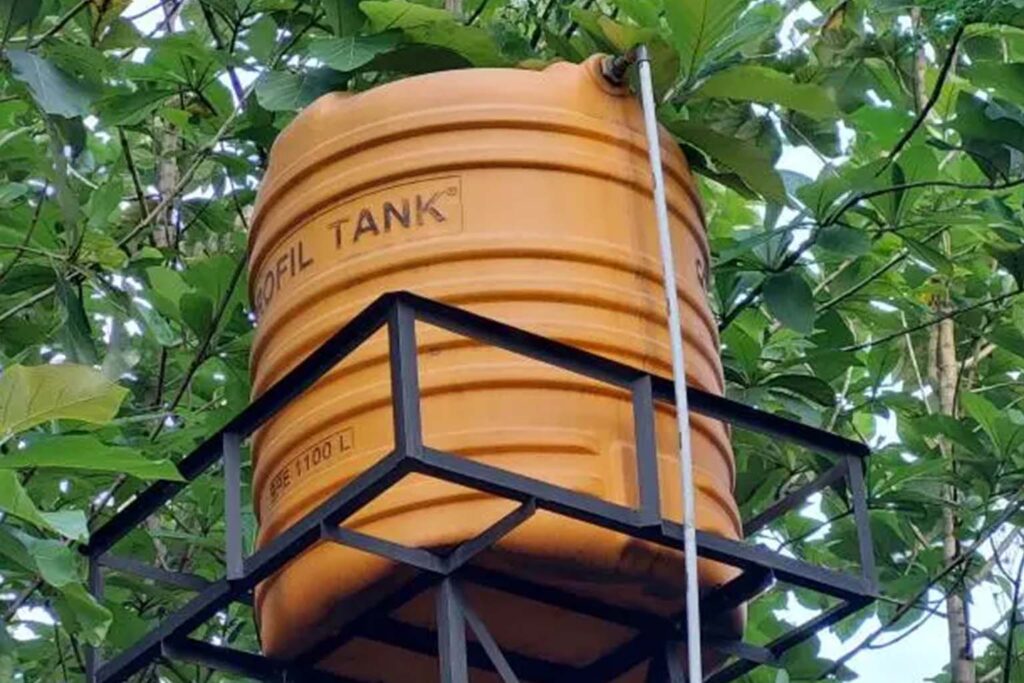
Fitting a New Water Tank
Expansion, well pressure and storage tanks can all be fitted, each matched to the heater, pump or daily demand it serves.
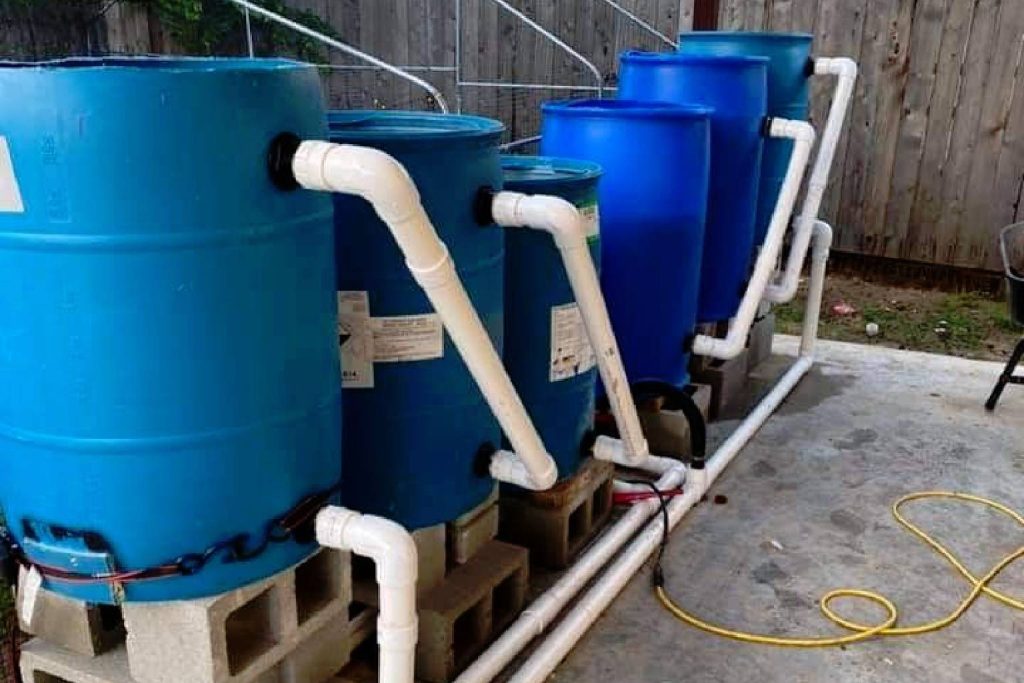
Replacing a Worn Tank
A tank that is rusty, leaking, waterlogged or too small for the job can be swapped for one of the right size and type.
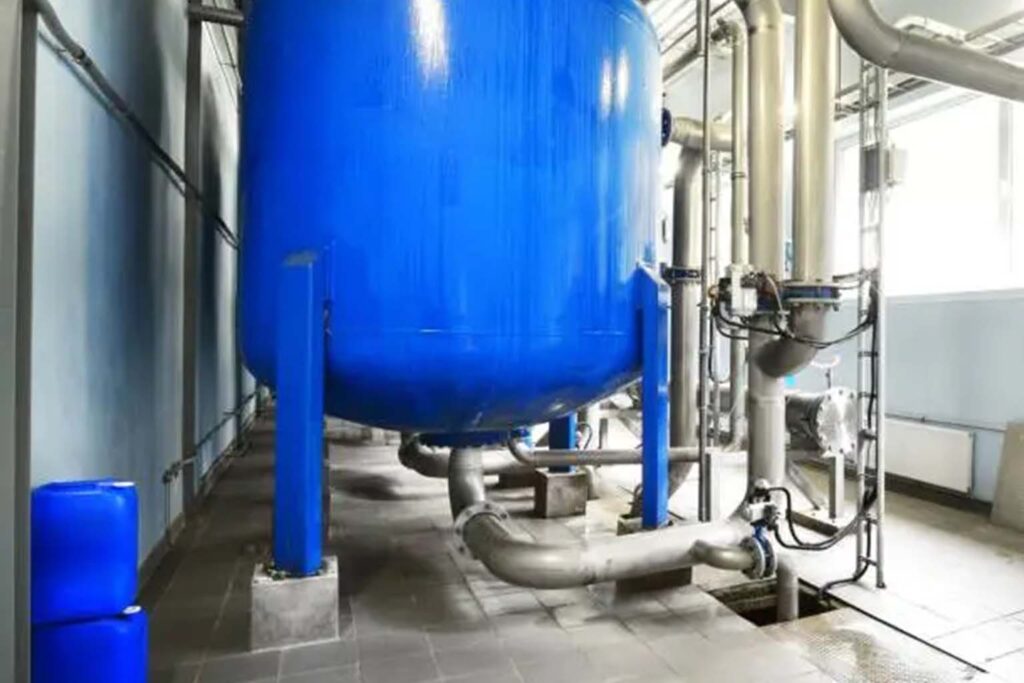
Expansion Tank Care
Testing and resetting the air pre-charge, swapping tanks that have failed and curing a relief valve that weeps each time the heater fires.
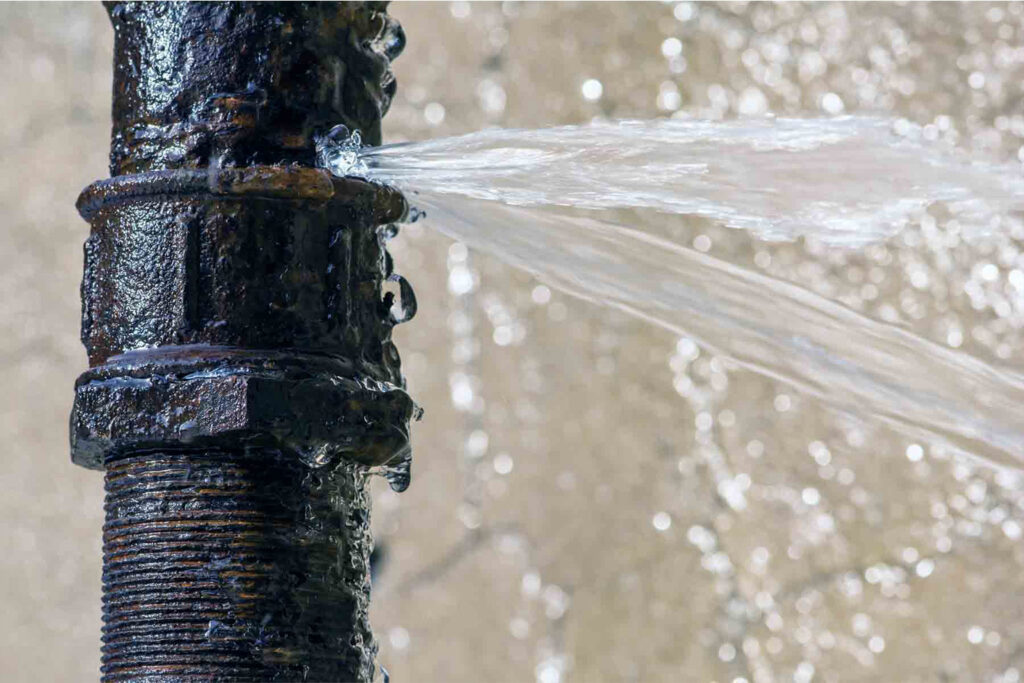
Fixing Leaks
Leaks at the tank shell, the inlet and outlet joints, fittings or valves can be fixed before water reaches floors or walls.
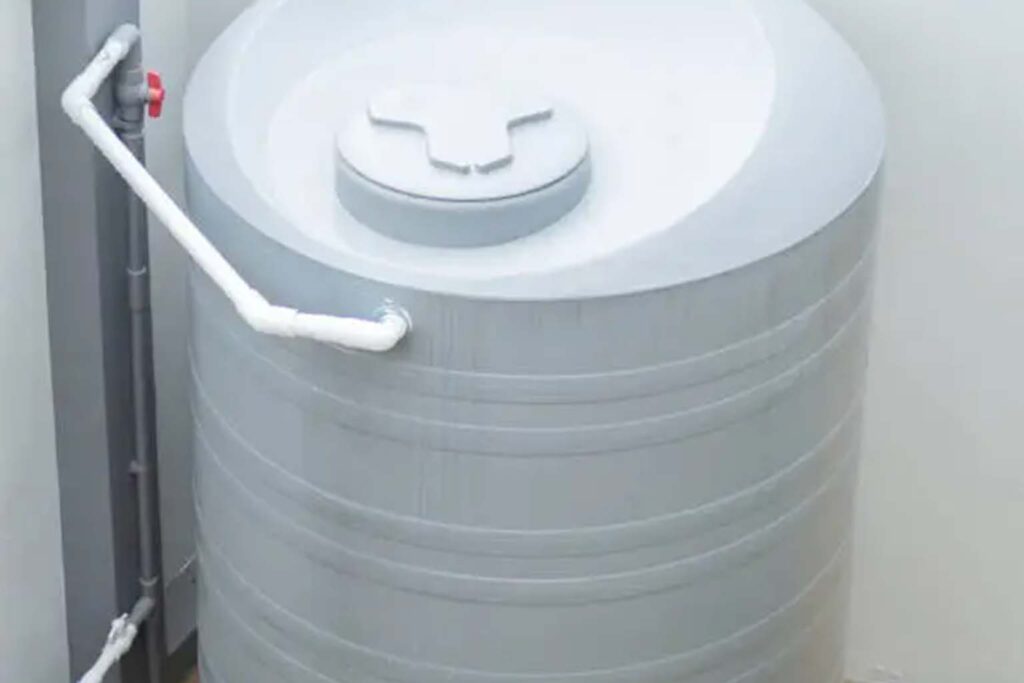
Well Tank Pressure Problems
Sorting out waterlogged tanks, pressure switches set wrong and pumps that short-cycle and wear out well gear too soon.
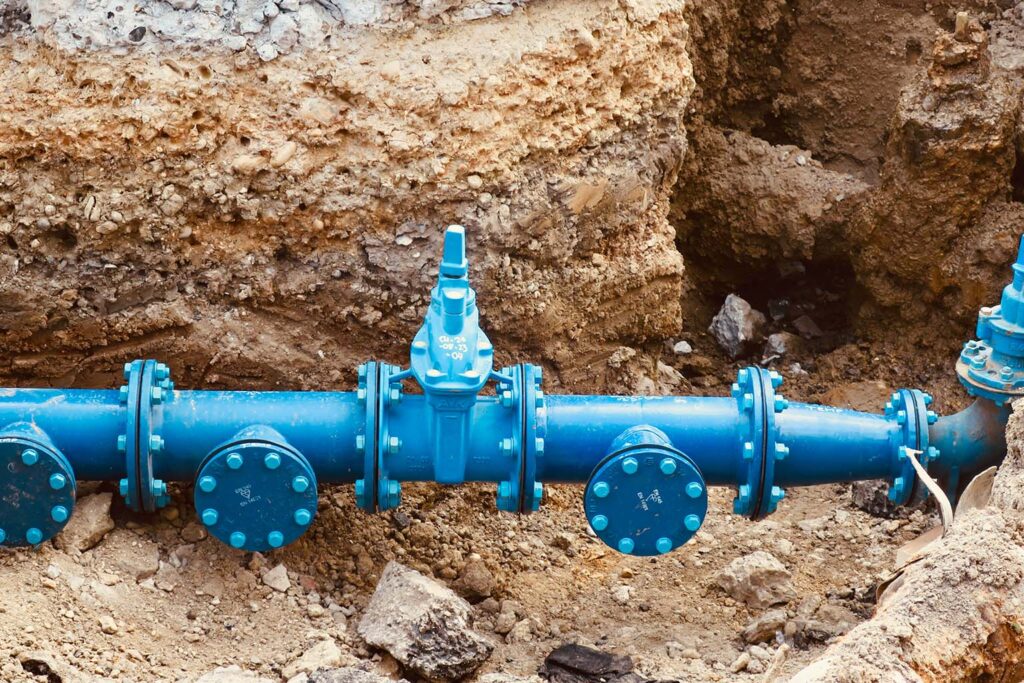
New Pipes and Valves
Worn or corroded pipe, shutoff valves, gauges and brackets around the tank can all be renewed.
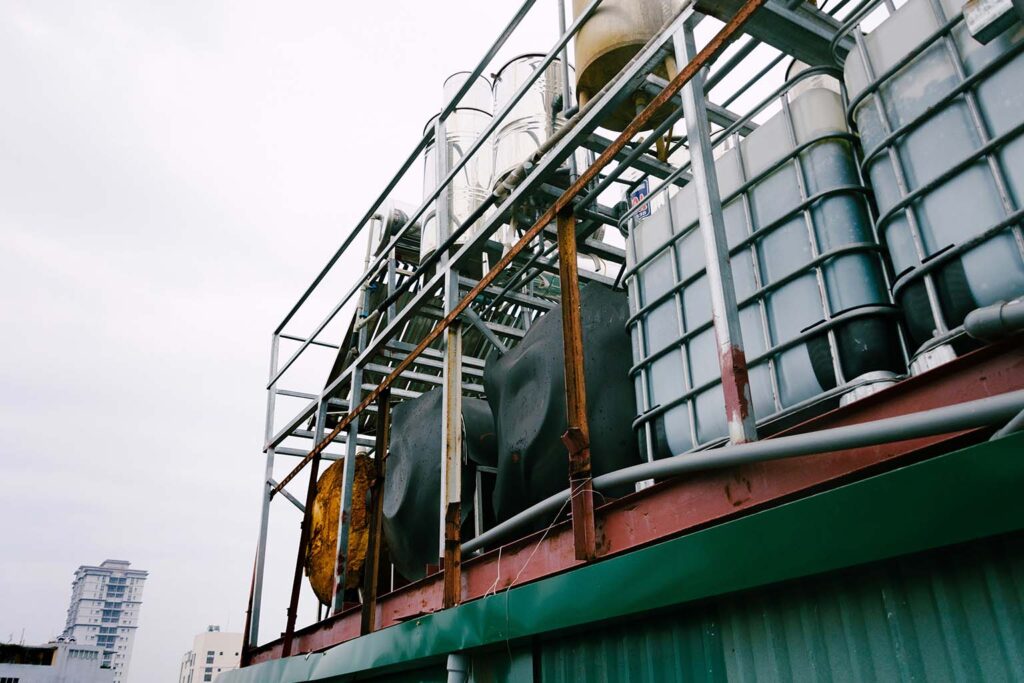
Hooking Up Storage Tanks
Backup and rainwater tanks can be tied into the plumbing along with the pumps, filters and backflow devices they call for.
Before you book
Booking Norristown Plumber for Water Tank Work

Done to the Maker's Specs
Ask that each tank is sized, mounted and connected to the maker’s instructions, and that the system is tested before sign-off.

Close to Home
Service covers homes across Norristown, PA; ask how a follow-up visit works if the problem returns.

Fixing the Cause
Whether it is a dead expansion tank or a whole well tank swap, ask for the root cause, not a patch.

Plain Advice
Ask for help picking the tank size and type that suit your heater, well or storage plans.

A Tidy Utility Room
Ask that floors are covered and the work area kept neat, then left as it was found.
Explain what the pressure and the tank are doing in plain words, and ask for the fix to be explained back.
Issues
Typical Water Tank Trouble
- Tanks or joints that leak
- A relief valve that drips or spits
- Pressure that spikes or sags
- A well pump cycling on and off nonstop
- Rust eating at the tank
- Well tanks full of water
- Pipes that bang or knock
- Expansion tanks too small or dead
- A tank that loses its pressure
When a tank is behind a problem in your home, the aim is to trace the cause and correct it.
Where service reaches
Water Tank Installation and Repair Around Norristown, PA
Tank work is offered in these places:
Answers to common questions
Water Tank Questions
What is an expansion tank for?
Heating makes water swell. In a closed system the added volume cannot flow back to the main, so the pressure on pipes, valves and the heater climbs. An expansion tank keeps a pocket of air that soaks up the extra water, holding pressure steady and keeping the relief valve from weeping.
How can I tell an expansion tank is dead?
Knock on the tank. A good one rings hollow in its upper half, and a waterlogged one sounds dull from top to bottom. Also watch for a dripping relief valve on the heater, pressure that jumps while the heater runs, and water spitting from the tank’s air valve.
What points to a failing well pressure tank?
Short cycling is the classic clue: with a tap open, the pump starts and stops every few seconds. Pressure that pulses at the faucet, a gauge needle that swings up and down fast, and rust or damp on the tank are other warnings.
What makes a water heater relief valve drip?
A weeping temperature and pressure relief valve often points to pressure building as the heater runs, the result of a dead or missing expansion tank. The valve may also simply be worn. Since it is a safety device, have it looked at either way.
How many years will a pressure tank give?
How long a tank lasts comes down to water quality, pressure settings and how often the pump starts. Testing the air pre-charge at routine service and curing short cycling early do the most to stretch its life.
Is swapping a water tank a DIY job?
Some owners manage it, but the system must be drained, the pre-charge matched to your pressure and each joint made watertight. Errors can flood a basement or harm a pump. Ask the Department of Buildings and Code Compliance whether a permit applies.
How is an expansion tank sized?
The answer rests on the heater’s capacity and the house’s water pressure. A plumber measures both and picks a tank to match. Too small a tank lets pressure keep climbing, while too large a one costs more than it should.
Does my water heater need an expansion tank?
A closed system, such as one with a check valve or pressure-reducing valve on the incoming line, usually needs one, and many codes call for it when a heater goes in. Pennsylvania American Water owns the line only to the curb stop; the pipe and valves past it are yours.
What makes a well pump start and stop so often?
Fast cycling usually means the pressure tank has lost its air charge or its bladder has split, so it can no longer hold water under pressure. A bad pressure switch can do the same. If nothing is done, the constant starts wear out the pump.
Which kind of tank suits my home best?
That turns on the job. Expansion tanks guard water heaters in closed systems, bladder pressure tanks suit private wells, and polyethylene is the common pick for above-ground storage. Ask for a type to be suggested once the use is clear.
What sets the cost of a new water tank?
The tank’s type and size, how easy it is to reach and whether pipes or valves need renewing too. Ask for a written price once the system is seen; the Department of Labor and Industry explains contractor registration.
Must a storage tank stand on a concrete pad?
Not always, but the base must be firm and level, or the tank is strained and may crack. Concrete suits big tanks and soft ground; compacted gravel or a rated stand suits many smaller ones. NOAA’s January normal low here is 22.6 F, so protect outdoor lines.