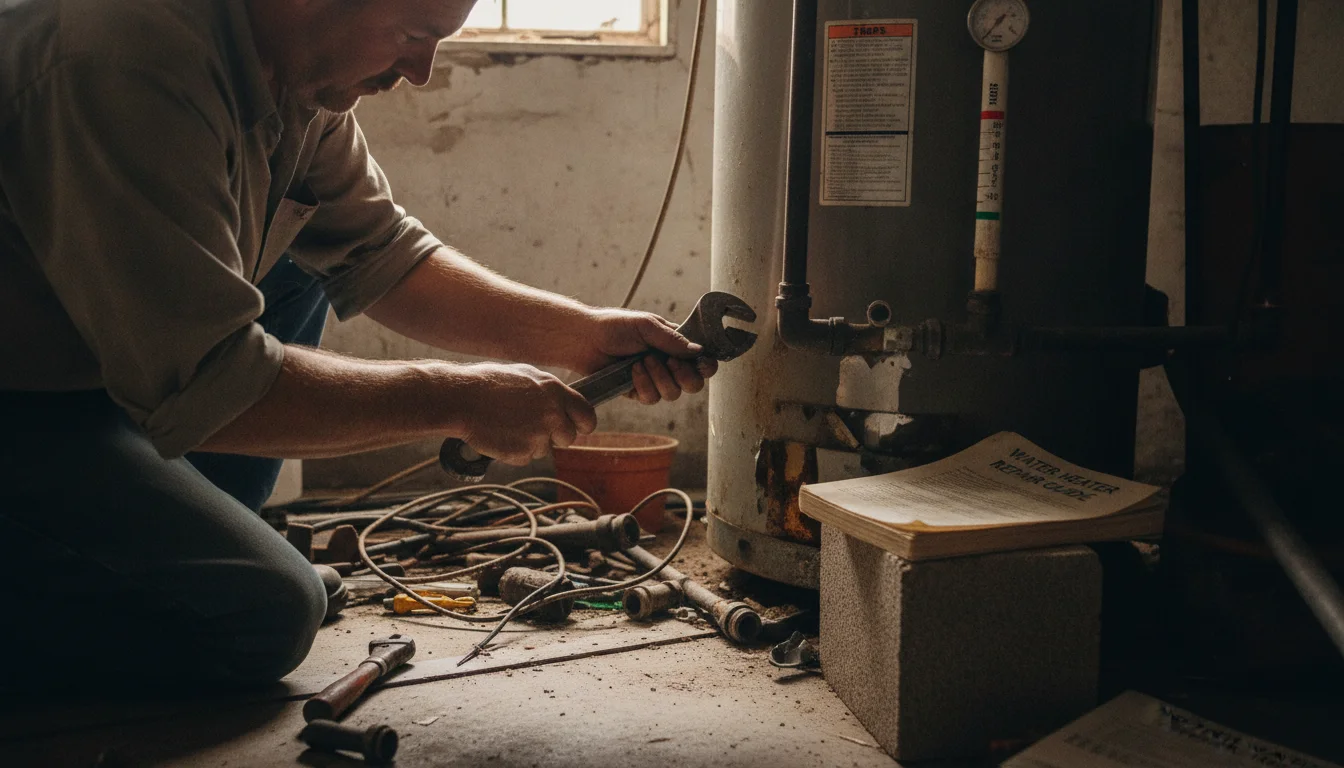
A fast answer when you have no hot water: the heater isn’t producing heat due to a power or fuel interruption, faulty thermostat, failed heating element or burner, closed valve, sediment buildup, or a leak. Start by confirming the issue affects more than one fixture, verify power or gas supply, and make sure the heater’s inlet valve is open. If you smell gas, see sparks, or find active leaks, shut things down and get professional help.
Ask Plumber Norristown PA what it can inspect and repair to restore hot water. This guide shows how water heaters work, why heat can stop, and seven likely problems to check first. You’ll also learn when a repair makes sense, when replacement is safer, and how to prevent surprise outages. Homeowners and businesses in Norristown can use this as a clear, step-by-step plan.
Key Takeaways
- Verify it’s a whole-home issue, check power/fuel and open valves before deeper troubleshooting.
- Electric: a tripped breaker or failed element is common; Gas: pilot/ignition or thermocouple often to blame.
- Keep thermostats near 120°F for safety and efficiency; flush annually to limit sediment.
- Replace aging, leaking, or unsafe tanks rather than patching repeatedly.
- When you see gas smells, sparking, error codes that persist, or active leaks, bring in a pro.
Table of Contents
- Start Here: No Hot Water? Quick Safety Checks and Next Steps
- How a Water Heater Works: Tank, Tankless, Gas, and Electric Basics
- Fast Diagnosis: Top Reasons You Suddenly Have No Hot Water
- Likely Problem #1: Tripped Breaker or Blown Fuse (Electric)
- Likely Problem #2: Pilot Light Out or Ignition Failure (Gas)
- Likely Problem #3: Faulty Thermostat or Wrong Temperature Setting
- Likely Problem #4: Burned-Out Heating Elements or Burner Failure
- Likely Problem #5: Sediment Buildup and Scale Reducing Heat Transfer
- Likely Problem #6: Valve or Pressure Issues Limiting Hot Water
- Likely Problem #7: Leaks, Corrosion, or Tank Failure
- Cold or Inconsistent Hot Water: Special Cases to Consider
- When to Call a Plumber: Urgent Signs and 24/7 Emergencies
- Repair vs. Replacement: Age, Efficiency, and Safety Criteria
- What It Costs: Typical Repair Pricing and Project Timelines
- Safe DIY vs. Pro-Only Repairs: Know Your Limits
- Preventive Maintenance That Keeps Hot Water Flowing
- Choosing a New Water Heater: Size, Recovery Rate, and Efficiency
- Frequently Asked Questions
Start Here: No Hot Water? Quick Safety Checks and Next Steps
Confirm it’s a whole-home issue, not a single fixture
Try two or three fixtures and test both hot and cold. If only one spot is cold, the fault may be at that valve or mixer. If every hot tap is cold, focus on the heater, not the faucet.
Turn off power or gas if you smell gas or see leaks
If you smell gas, hear hissing, or see flames or smoke, shut the appliance gas valve if it’s safe and leave the building. For electric units, if you see sparks, smell burning, or find standing water near the unit, shut the breaker. Put safety first.
Verify the cold water supply and unit shutoff valves
Confirm the cold inlet valve on the heater is fully open. With ball valves the handle aligns with the pipe when open; gate valves open counterclockwise. If the whole home has low flow, check the main.
Note error codes, noises, and recent changes in use
Write down control panel error codes. Listen for popping or rumbling, and note heavy recent use like guests or laundry marathons. These clues speed up the fix with Water Heater Repair.
How a Water Heater Works: Tank, Tankless, Gas, and Electric Basics
Cold-in/hot-out, thermostat control, and recovery cycle
A water heater warms incoming cold water and sends it to your taps. A thermostat is the control that sets and maintains water temperature. The recovery cycle is how long it takes to reheat new water after a draw.
Electric elements vs. gas burners and ignition systems
Electric models use one or two internal heating elements. Gas models use a burner beneath the tank. Ignition can be a standing pilot or an electronic spark, and each needs power, fuel, air, and proper venting.
Key safety devices: T&P valve, venting, and expansion
A T&P (temperature and pressure) valve opens if pressure or heat gets too high. Safe venting carries exhaust outside. An expansion tank absorbs pressure spikes as water heats.
Tank vs. tankless: how each delivers hot water
Tank units store hot water for immediate use but can run out and must recover. Tankless units heat on demand, require a minimum flow to turn on, and have a maximum flow they can heat at once.
Learn more about safe operation from the U.S. Department of Energy guidance.
Fast Diagnosis: Top Reasons You Suddenly Have No Hot Water
Power supply or fuel interruptions
Electric heaters need a live breaker and stable power. Gas heaters require gas flow and correct pressure. Utility outages, closed valves, or shutoffs can stop heat instantly.
Ignition or pilot light failures
A weak pilot or failed igniter prevents the burner from starting. Safety controls block gas flow unless a flame is proven.
Component breakdowns and sensors
A failed thermostat, heating element, flame sensor, or thermocouple can halt heating. A thermocouple is a small device that proves a pilot flame is on; when it fails, gas shuts off.
Excess demand and seasonal inlet temps
Winter inlet water in Norristown arrives colder, so your tank runs out faster. Back-to-back showers and laundry can outrun recovery.
Likely Problem #1: Tripped Breaker or Blown Fuse (Electric)
How to locate and reset the correct breaker
Find the electrical panel and locate the “water heater” breaker. If tripped, move it fully to OFF, then back to ON. Wait 5–10 minutes and test again.
What repeated tripping means
If it trips again, stop. Repeated trips signal a fault such as a shorted element or wiring issue. Don’t keep resetting.
Panel labeling, GFCI/AFCI, and safety basics
Labels help, but older panels can be wrong. GFCI/AFCI devices cut power during faults—determine why they tripped before restoring power. Electricity and water are a risky mix.
When to stop and call a professional
If you see scorch marks, melted insulation, or smell burning, shut power and seek help. Water Heater Repair can inspect, test parts, and restore safe operation.
Likely Problem #2: Pilot Light Out or Ignition Failure (Gas)
Standing pilot vs. electronic ignition
Standing pilots burn a small flame continuously. Electronic ignition lights only when needed. Each design has unique parts and steps to start.
Thermocouple/thermopile symptoms
If the pilot won’t stay lit, a weak thermocouple or thermopile may be the cause. These generate a small voltage from heat to keep the gas valve open.
Safe relighting steps and precautions
Follow the lighting label on your heater. Turn the control to OFF and wait several minutes for gas to clear. Set to PILOT, press, and use the igniter—keep face and hands clear. If it won’t light, stop and call a pro.
Draft, venting, and gas supply issues
Backdrafts can blow out a pilot. Blocked vents or low gas pressure can stop ignition. Venting must meet code. See NFPA 54: National Fuel Gas Code for general standards.
Likely Problem #3: Faulty Thermostat or Wrong Temperature Setting
Recognizing thermostat-related symptoms
Water that’s warm but not hot—or swings hot to cold—often points to a thermostat fault. On two-element tanks, the upper thermostat controls the first heat cycle and the lower finishes the job.
Testing basics and calibration
Many controls have a simple dial. Make a small increase and wait. If nothing changes, parts may need continuity and voltage tests. Only work on power-off equipment.
Safe temperature guidelines
Set around 120°F to reduce scald risk and save energy. The CPSC scald guidance supports safer temps.
Repair vs. replacement considerations
For newer tanks, a single control swap can solve the issue. Repeated control failures or advanced age call for deeper evaluation.
Likely Problem #4: Burned-Out Heating Elements or Burner Failure
Upper vs. lower element roles (electric)
On two-element tanks, the upper element heats first; power then switches to the lower to finish heating. If the upper fails, you get no hot water at all. If the lower fails, hot water runs out quickly.
Continuity testing and access tips
Elements sit behind service covers and insulation. Shut power, remove covers, and test with a multimeter. A failed reading means replacement—match the original wattage and length.
Dirty burners, flame quality, and orifices (gas)
A clean, steady blue flame is best. Yellow tips can indicate dirt or poor air. A clogged orifice or weak gas pressure lowers heat; cleaning and adjustments are professional tasks.
When parts replacement makes sense
A newer unit with a single failed part is a strong repair candidate. If multiple components fail or the tank is near end of life, consider Water Heater Installation.
Likely Problem #5: Sediment Buildup and Scale Reducing Heat Transfer
Popping noises, slow recovery, and cloudy water
Sediment—mineral grit—settles at the bottom of tanks, trapping steam and causing popping noises. It slows heat transfer and recovery and can cloud hot water.
Flushing overview and safety reminders
Turn power or gas OFF. Connect a hose to the drain valve and route it to a safe drain. Lift the T&P lever to vent air, open the drain, and flush until water runs clear. Close, refill, purge air, then restore power.
Anode rod’s role against corrosion
An anode rod is a sacrificial metal rod that protects the tank from rust. Many manufacturers recommend inspection every 1–3 years. See A. O. Smith: Anode Rods and Tank Protection.
Hard water impacts and mitigation
Hard water speeds scale, coating elements and tank walls and reducing heat transfer. Consider Water Softener Installation to reduce scale and extend life. Anode Rod Replacement Water Heater also helps protect the tank. If sediment has reached fixtures and is slowing drains, schedule Drain Cleaning to restore flow.
Likely Problem #6: Valve or Pressure Issues Limiting Hot Water
Closed shutoff or mixing valves
A partially closed cold inlet valve can starve the heater. A faulty mixing valve can blend too much cold. Confirm handles are fully open and secure.
Pressure/flow imbalances and cross-connections
Low pressure can cause temperature swings. Cross-connections let cold water leak into hot lines—often from a failed single-handle faucet. A plumber can test and isolate the fault.
T&P valve operation and warning signs
A T&P valve that drips frequently may signal high pressure or temperature. Do not cap it—it’s a safety device. If it opens often, find the root cause.
Expansion tanks and system stability
Closed plumbing systems need an expansion tank. Without it, pressure spikes when water heats can trigger relief valves and reduce heater life.
Likely Problem #7: Leaks, Corrosion, or Tank Failure
Finding the true leak source
Water on the floor may come from above the tank. Check flex lines, valves, and the T&P discharge tube. Dry the area and watch for a trail to pinpoint the source.
Rust-colored water and internal corrosion
Brown or rusty hot water suggests internal tank corrosion, often from a depleted anode rod.
Drip pans, drains, and immediate containment
Use a drain pan and route it to a safe drain where possible. If water is active, shut the cold inlet and power or gas and protect nearby rooms and finishes.
Non-repairable conditions requiring replacement
A tank wall leak isn’t repairable. Cracks, heavy rust, or bulges mean it’s time to replace. Water Heater Installation brings your setup to current code and restores safety.
Cold or Inconsistent Hot Water: Special Cases to Consider
Seasonal inlet temperature swings
Norristown winters bring colder inlet water from the Schuylkill watershed, making hot water feel cooler and run out faster. A small thermostat increase may help—stay near safe limits.
Recirculation pumps and timers
Recirculation pumps keep hot water near fixtures. A failed pump or timer causes delays; check settings and power.
Anti-scald and thermostatic mixing valves
These valves limit maximum outlet temperature to prevent burns. If set too low or failing, they can reduce hot water. Adjust or replace as needed.
Tankless flow rates and minimum activation
Tankless systems need a minimum flow to fire. A clogged aerator or very low-flow shower head can stop heating. Clean strainers, balance demand, and match home use to the unit’s maximum flow.
When to Call a Plumber: Urgent Signs and 24/7 Emergencies
Gas smells, sooting, or suspected CO issues
If you smell gas or see soot near a vent, shut the system and leave. Carbon monoxide is deadly and has no smell. See CDC CO safety for health guidance.
Active leaks, electrical burning odors, or sparking
Water and power don’t mix. If you see sparks or smell burning, shut power and keep clear. Active leaks can damage floors and finishes quickly.
Repeated breaker trips or failed relights
Breakers that won’t hold or pilots that won’t stay lit need expert testing. Don’t force restarts.
No hot water with visible error codes
Error codes point to specific faults. Note the code and model so a tech can act quickly.
Repair vs. Replacement: Age, Efficiency, and Safety Criteria
Typical lifespans for tank and tankless units
Many tank units last about 8–12 years, while tankless systems can run longer with maintenance. Life depends on water quality and care.
UEF efficiency and operating costs
UEF (Uniform Energy Factor) rates how efficiently a heater turns fuel into hot water. Higher UEF means better efficiency and potential long-term savings. See U.S. Department of Energy guidance for details.
Cost-benefit of major repairs on older units
Large repairs on older tanks often don’t pay off. Frequent fixes add up—consider age, energy use, and leak risk when deciding.
Safety and warranty factors in the decision
Warranties matter, and improper repairs can void coverage. Safety and required code updates can tip the scale toward a new install.
What It Costs: Typical Repair Pricing and Project Timelines
Diagnostic visits and common part costs
Costs vary by brand, fuel type, and parts. A diagnostic confirms the fault and the repair plan. Some parts are quick changes; others require ordering and a return visit.
Labor ranges for electric vs. gas work
Gas work often takes longer due to venting and safety checks. Electric element swaps may be quicker. Access, corrosion, and code updates can extend timelines.
Same-day fixes vs. parts ordering delays
Many issues are same-day fixes if the part is on the truck. Specialty controls or unique gas valves may require supplier orders. Timing depends on availability.
Factors that drive price up or down
Age, rust, hard water, and tight spaces add time. Permits, code upgrades, and new venting can add steps. Upfront testing helps prevent repeat calls.
Safe DIY vs. Pro-Only Repairs: Know Your Limits
Simple checks most homeowners can try
Confirm the breaker, pilot, and valve positions. Verify the thermostat setting. Look for leaks, drips, or obvious damage. These safe checks provide helpful clues.
Why gas line and venting work are pro-only
Gas leaks and venting errors can cause fires or CO hazards. These tasks require tools, tests, and permits—leave them to licensed pros.
Electrical safety, LOTO, and permits
Lockout/Tagout (LOTO) is a safety method that keeps power off during work to prevent unexpected starts. Many areas require permits for water heater changes. See your local building department and the International Residential Code for standards.
How DIY can affect warranties and insurance
Unapproved fixes can void warranties and may affect insurance if a failure causes damage. Keep records of professional maintenance.
Preventive Maintenance That Keeps Hot Water Flowing
Annual flush and sediment control
A yearly flush reduces grit and noise, restores recovery, and can extend life. Use safe drain routing and power-off steps.
Anode rod inspection and replacement
Check the anode rod every 1–3 years and replace it before it’s fully consumed. Pair rod service with an annual flush. Ask about Anode Rod Replacement Water Heater.
Optimal temperature setpoints and scald prevention
Keep near 120°F for safety and savings. Use anti-scald devices and test at the tap. Families with kids or seniors need extra care.
Water quality improvements and scale reduction
Hard water accelerates scale. A softener or scale filter helps. Better water extends heater and fixture life. Water Tanks and Water Softener Installation can support a long-term plan.
Choosing a New Water Heater: Size, Recovery Rate, and Efficiency
Right capacity, first-hour rating, and flow needs
Capacity is tank size; the first-hour rating measures how much hot water the system can deliver in an hour. Match both to your peak use. For tankless, match flow rate to showers and appliances.
Tank vs. tankless tradeoffs and fuel options
Tanks cost less to install and handle short bursts well. Tankless saves space and offers continuous hot water within its flow limit. Compare gas, electric, and hybrid options.
Energy Star, rebates, and long-term savings
Energy Star units meet strict efficiency rules. Local rebates may be available. Over time, savings can offset higher upfront investment.
Installation planning and code compliance
Plan for proper venting, gas sizing, or electrical upgrades. Drains, pans, and T&P discharge must be correct. A professional installation brings everything to code. Plumber Norristown PA serves homes and businesses across Norristown and provides Water Heater Installation that meets local rules in Pennsylvania.
Conclusion
A clear plan keeps you calm when the hot water stops. Start with safe checks, note the signs, and decide between DIY basics and professional service. A smart repair can add years of service, while a well-planned replacement can cut energy use and risk. Service from Plumber Norristown PA focuses on safety, code, and lasting results. Contact us to schedule water heater service in Norristown.
Key takeaways
- Confirm power, fuel, and open valves before deeper checks.
- Reset once only; repeated trips or failed relights need a professional.
- Keep temps near 120°F and flush yearly to fight sediment.
- Anode rod checks every 1–3 years protect the tank.
- Replace aging, leaking, or unsafe units rather than patching.
Frequently Asked Questions
How do I relight a gas water heater safely?
Follow the lighting label on your unit. Turn the control to OFF and wait several minutes. Set to PILOT, press, and ignite. Keep your face and hands clear. If the pilot won’t stay lit or you smell gas, stop and call a licensed plumber for Water Heater Repair.
How often should I replace an anode rod?
Check the anode rod every 1–3 years, sooner with hard water. Replace it before it is fully consumed to help prevent tank rust. Pair rod service with an annual flush. Ask about Anode Rod Replacement Water Heater for expert help.
What should I do first if a pipe bursts at home?
Shut off the main water valve right away. Turn off power to affected areas if safe. Open faucets to drain pressure and collect water with buckets or towels. Move valuables from the area. Then arrange urgent service. A plumber can repair breaks and assess damage.
Why does my tankless heater run hot, then cold?
Tankless units need a minimum flow to fire and have a maximum flow they can heat. Low or varying flow can cause temperature swings. Clean aerators and strainers, balance fixtures, and check settings. If issues continue, schedule Tankless Water Heater Repair with a pro.
What is the best temperature for my water heater?
For most homes, set near 120°F. This helps prevent scalds and saves energy. Households with immune risks may need special guidance. Always use caution at taps, add anti-scald devices if needed, and test water temperature after adjustments.
Plumber Norristown PA is trusted by Norristown property owners for fast response on water heaters, Water Heater Repair, and Water Heater Installation.